How Much Water Do You Need? A One-Week Hydration Check-In
There is no universal “right amount” that transforms everyone in seven days. Try a realistic check-in.
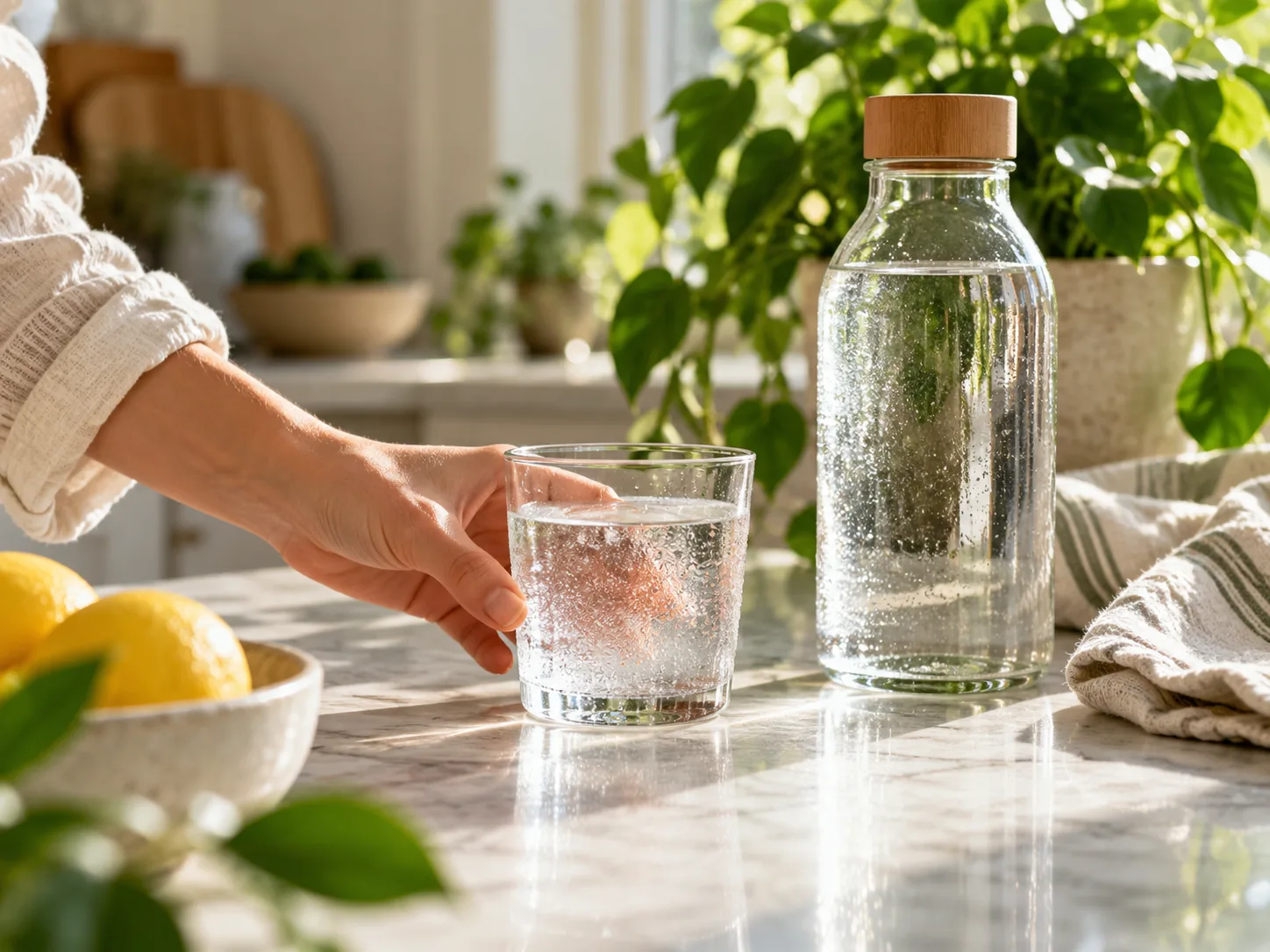
Drink the “right” amount of water for a week and you may feel better if you were not getting enough before. You may also notice no dramatic change. There is no universal seven-day hydration transformation, and more water is not always better. Your needs vary with activity, heat, illness, foods, and individual health.
What does water actually do?
Water helps regulate body temperature, cushion tissues, and support normal waste removal. The CDC notes that dehydration can contribute to unclear thinking, mood changes, overheating, and constipation. These symptoms are not specific to dehydration, so do not self-diagnose a health problem from them alone.
A gentle seven-day check-in
For the first day or two, notice when you drink and what makes it easy or difficult. Then try keeping water accessible, having some with meals, or choosing water instead of one sweetened drink when it suits you. Notice thirst, activity, weather, and how you feel. No special app or fixed number of bottles is required. Fruits, vegetables, and other beverages also contribute fluid.
Why “eight glasses” is not a rule for everyone
The CDC says recommendations vary by age, sex, pregnancy or breastfeeding status, and activity. Hot weather, exercise, fever, vomiting, or diarrhea can increase fluid needs. If you have kidney, heart, or other conditions that require fluid guidance, follow your clinician's advice rather than a general challenge. Avoid forcing large amounts of water quickly.
What should you conclude after a week?
Keep the habits that are comfortable and practical, rather than looking for a dramatic “detox” result. If fatigue, dizziness, or other symptoms persist, seek medical advice. For a wider look at daily energy, see our energy habits guide.
VitalGlow Hub provides general health and wellness information for educational purposes only. The information on this website is not intended to diagnose, treat, cure, or prevent any disease and is not medical advice. Consult a qualified healthcare professional before starting a supplement or making significant changes to your diet or lifestyle.