10 Science-Backed Habits for Better Energy Throughout the Day
A realistic daily energy guide: sleep, light, meals, movement, hydration, and when fatigue needs a closer look.
Read More →Source-linked reading on supplements, nutrition and everyday habits, with clear limits on what the evidence shows.

A realistic daily energy guide: sleep, light, meals, movement, hydration, and when fatigue needs a closer look.
Read More →
U.S. averages tell a population story, not how long any one person will live.
Read More →
Everyday choices can support long-term health, though no habit guarantees extra years of life.
Read More →
Your body makes CoQ10 for cellular energy, but aging alone does not establish a need for a CoQ10 supplement.
Read More →
A nonjudgmental look at urination, comfort, contraception choices and when symptoms need treatment.
Read More →
A short walk or movement break is a useful start, even if it does not meet weekly activity targets alone.
Read More →
Cortisol is a normal hormone. Focus on stress symptoms and sustainable habits rather than trying to “reset” one number.
Read More →
Light helps set the body clock. Use daylight and evening light thoughtfully without turning sleep into a strict optimization project.
Read More →
Small, repeatable cues can make it easier to wind down without turning rest into another project.
Read More →
Chest discomfort is common in both; other warning signs can be easy to miss. Know when to call 911.
Read More →
Explore the links without assuming that a demanding job or one short night permanently damages hormones.
Read More →
A plain-English guide to PSA screening, possible benefits and harms, and questions for your clinician.
Read More →
Irritability, withdrawal, sleep changes and substance use can be clues; support starts with a conversation.
Read More →
Symptoms alone are not a diagnosis; understand repeat morning testing and the broader health picture.
Read More →
Hormones can affect immune responses, but a cold cannot be judged by a stereotype.
Read More →
Three brief ways to pause during a workday, with honest limits on what two minutes can do.
Read More →
A phone-free day may reveal habits and trade-offs, but research does not show a guaranteed brain reset.
Read More →
Notice changes in focus, mood and recovery without treating a checklist as a diagnosis.
Read More →
A plain-English look at adaptogen claims, early research, product differences, and herbal supplement safety.
Read More →
Build a nourishing eating pattern while separating credible nutrition advice from “hormone-balancing” promises.
Read More →
There is no universal “right amount” that transforms everyone in seven days. Try a realistic check-in.
Read More →
Build satisfying meals with variety and regularity; fasting is an option for some, not a requirement.
Read More →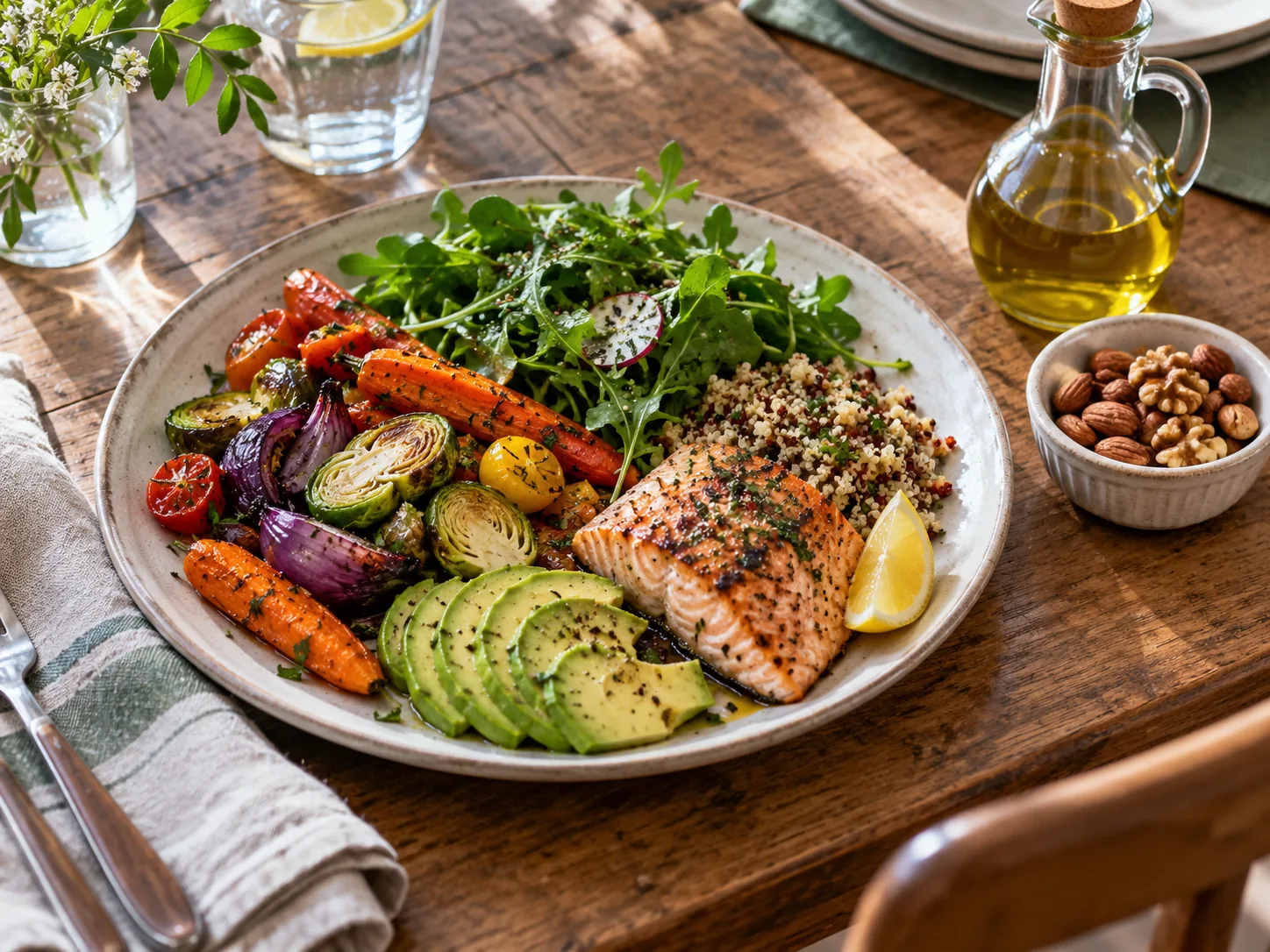
Nuts, smoothies and salads are not the problem; portions, drinks and the overall pattern can matter.
Read More →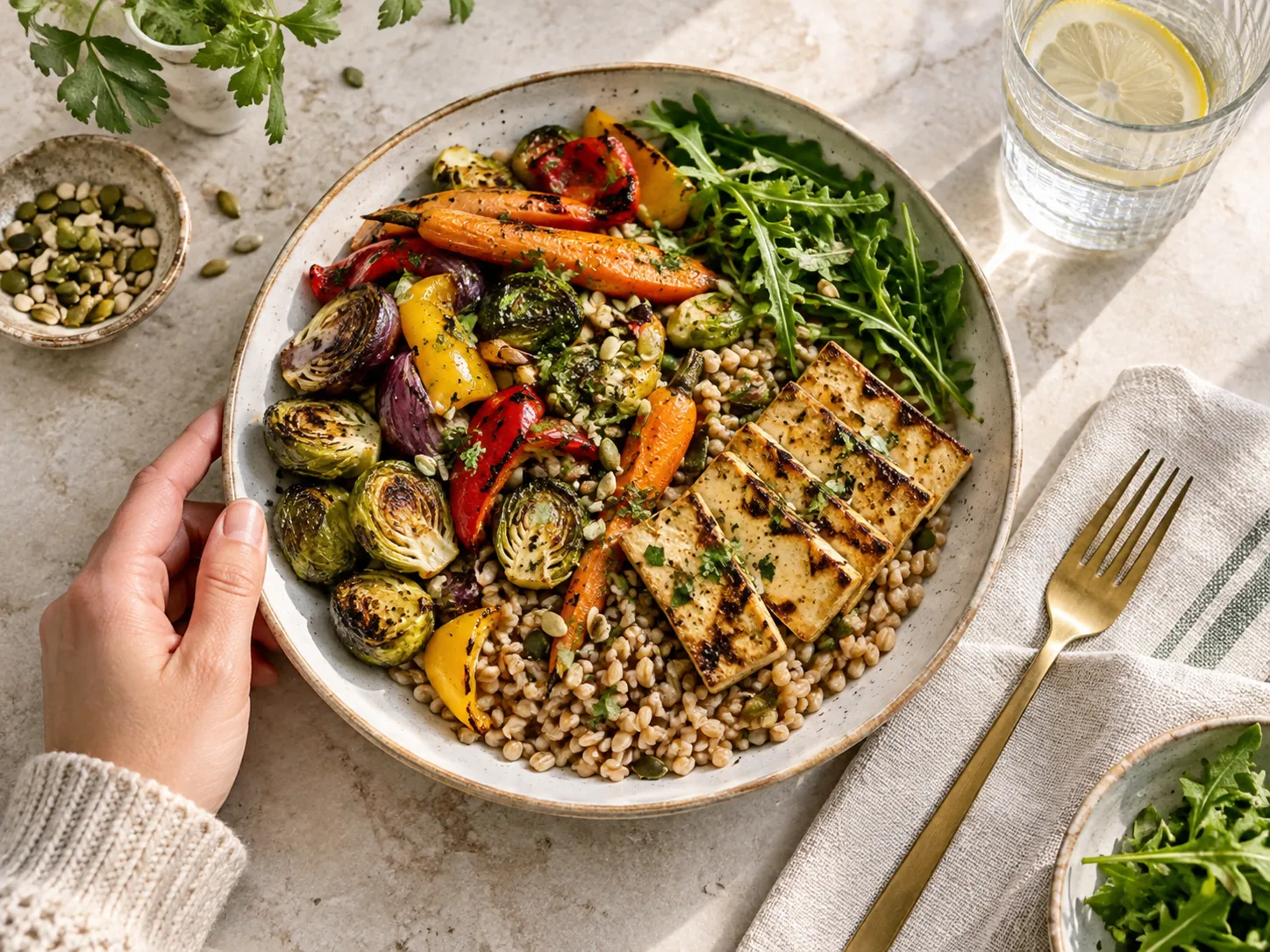
Blood glucose normally changes after meals. Learn when symptoms matter and why a single “spike” is not a diagnosis.
Read More →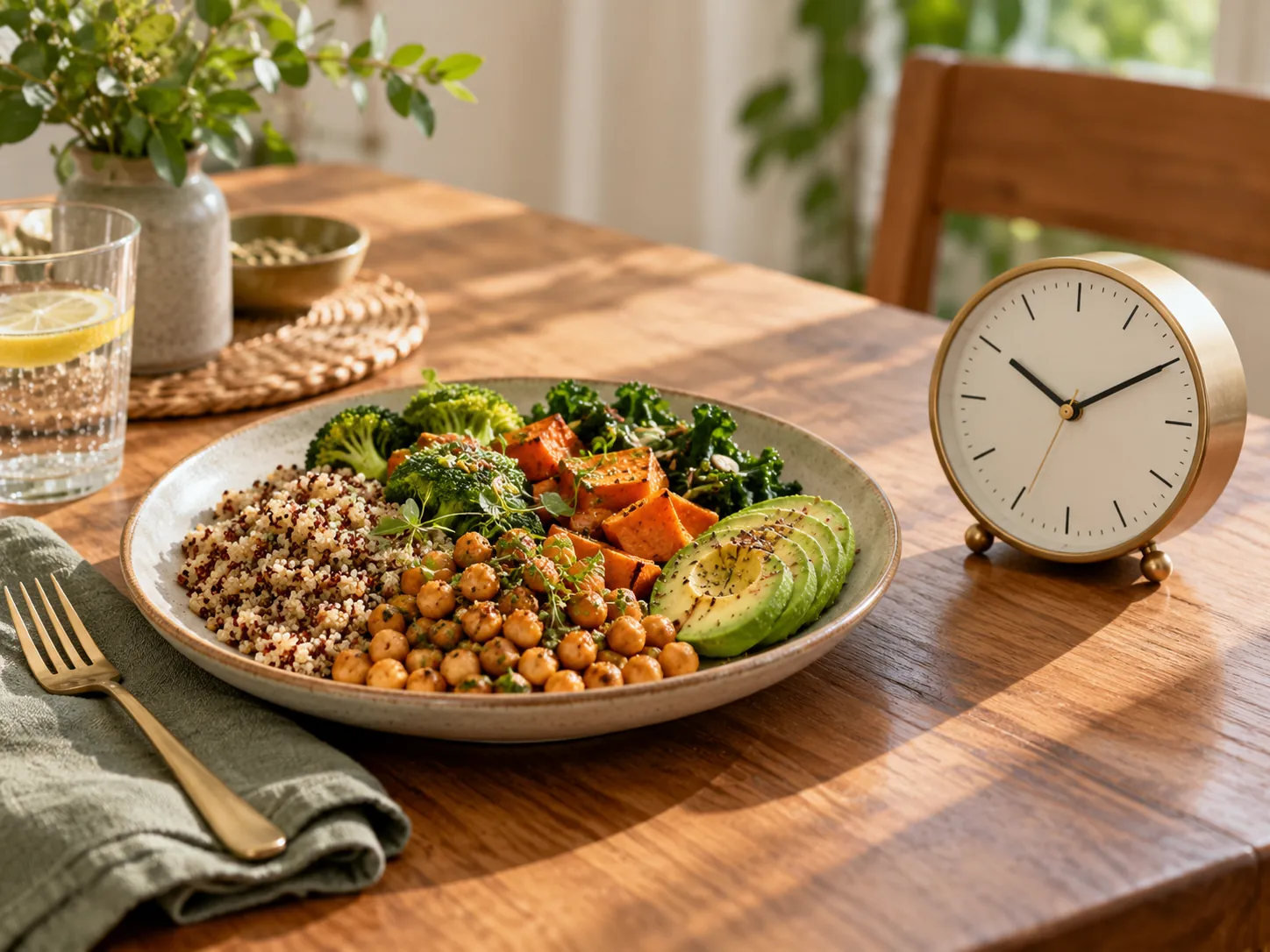
Autophagy is real cell biology, but no proven fasting schedule guarantees a cellular “reset” in people.
Read More →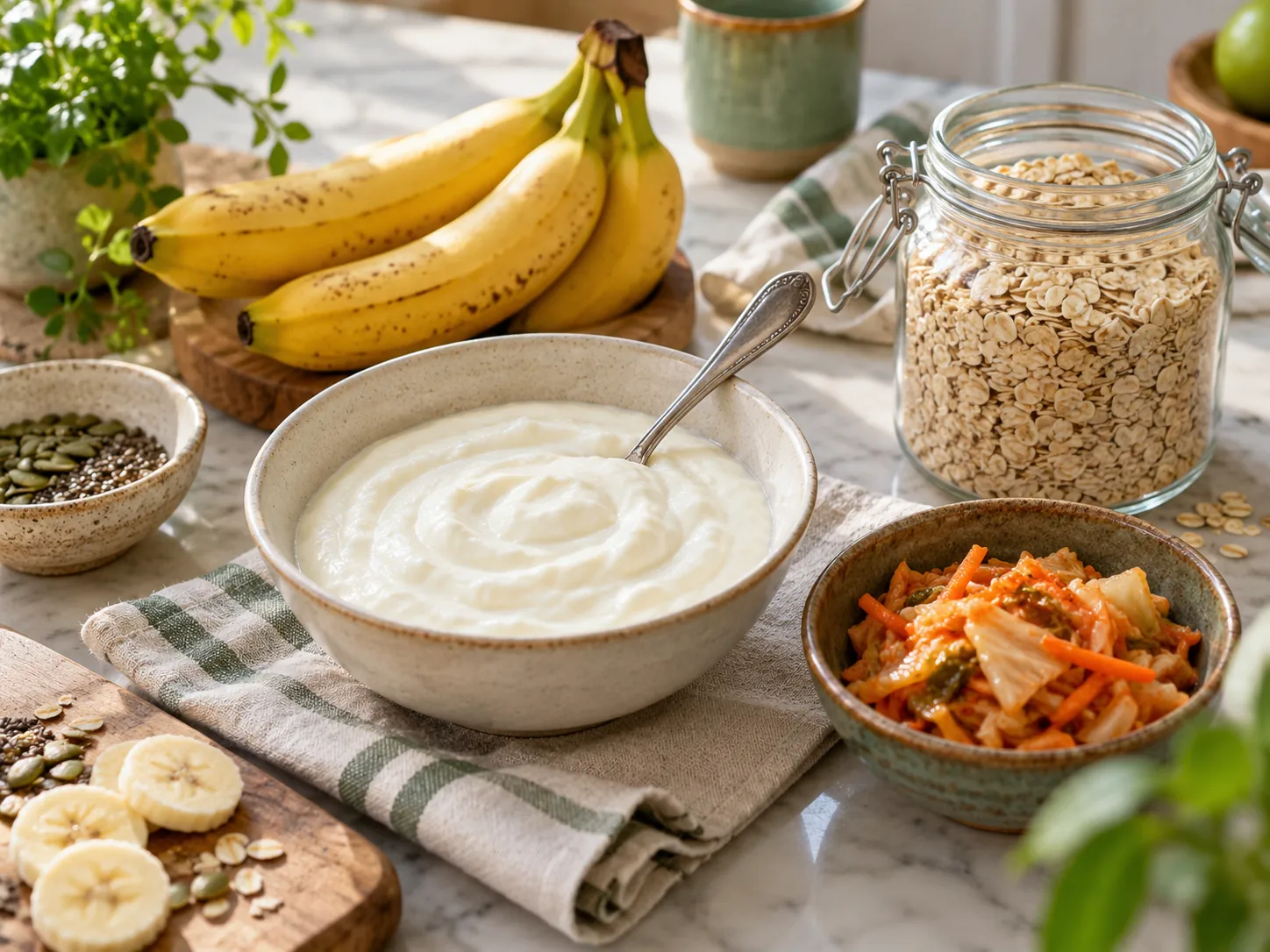
Understand the difference between live microbes and the fibers that feed them, with realistic expectations and safety notes.
Read More →
Tiredness has many causes. Learn when iron may matter, how it is assessed, and why high-dose supplements need guidance.
Read More →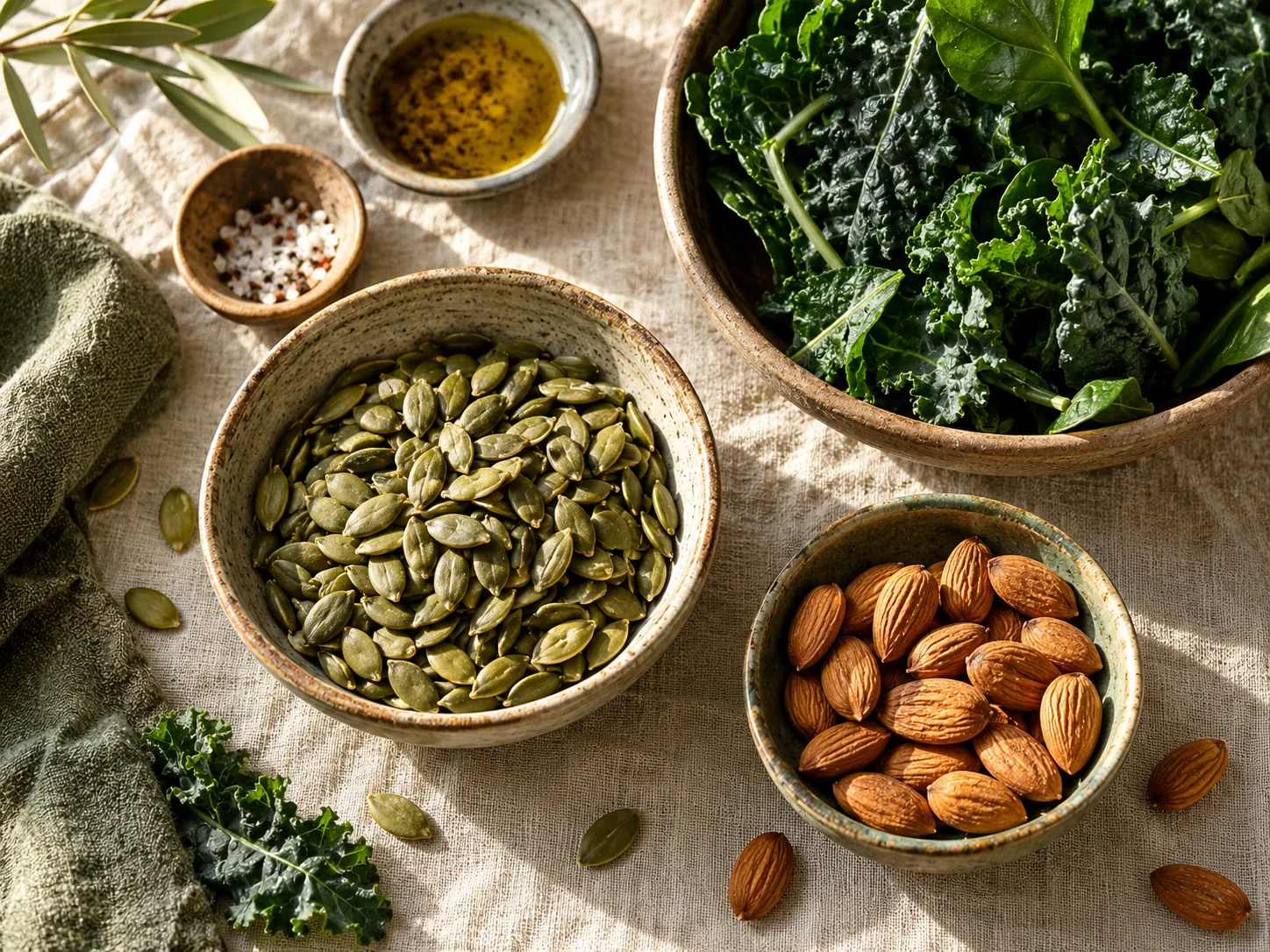
A food-first guide to magnesium, common label questions, and the risks of assuming every symptom is a deficiency.
Read More →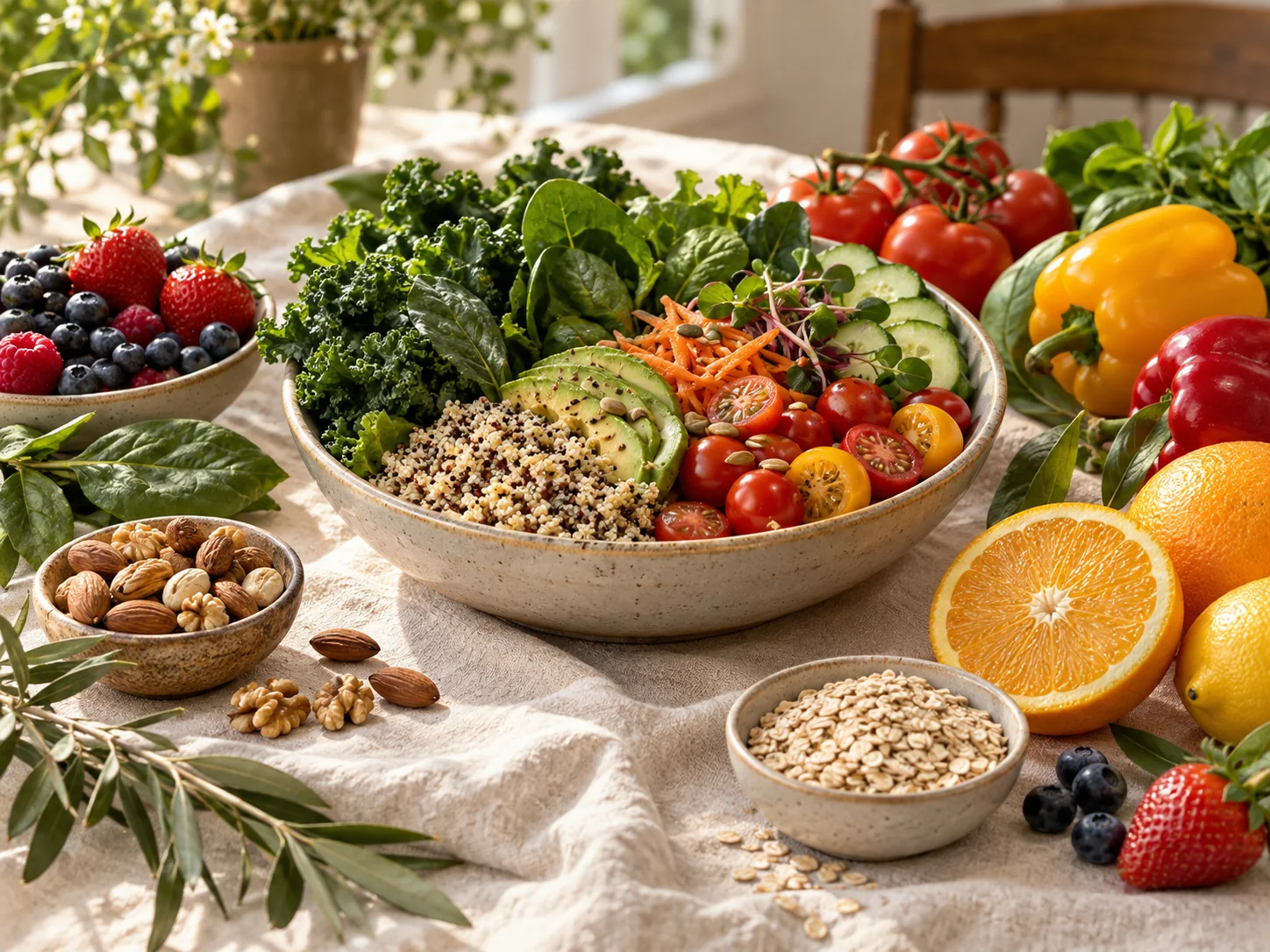
A flexible way to think about variety and everyday meals, without complicated rules or perfection.
Read More →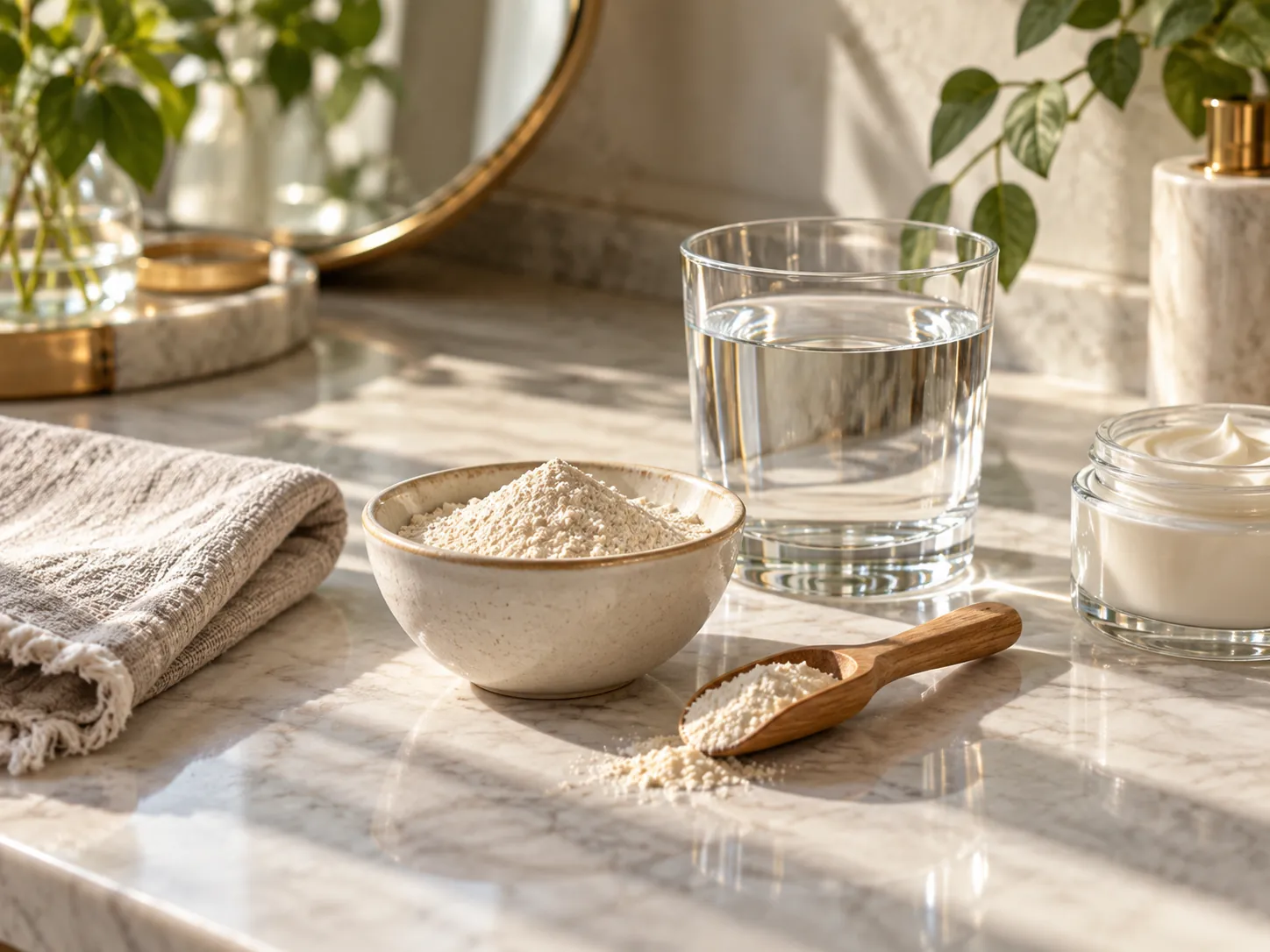
Collagen supplement studies report mixed signals; study quality, funding and the specific outcome all matter.
Read More →
Eight hours is not a magic number: most adults are advised to aim for seven to nine hours.
Read More →
A practical look at late caffeine, screens, irregular schedules and other habits that may affect sleep.
Read More →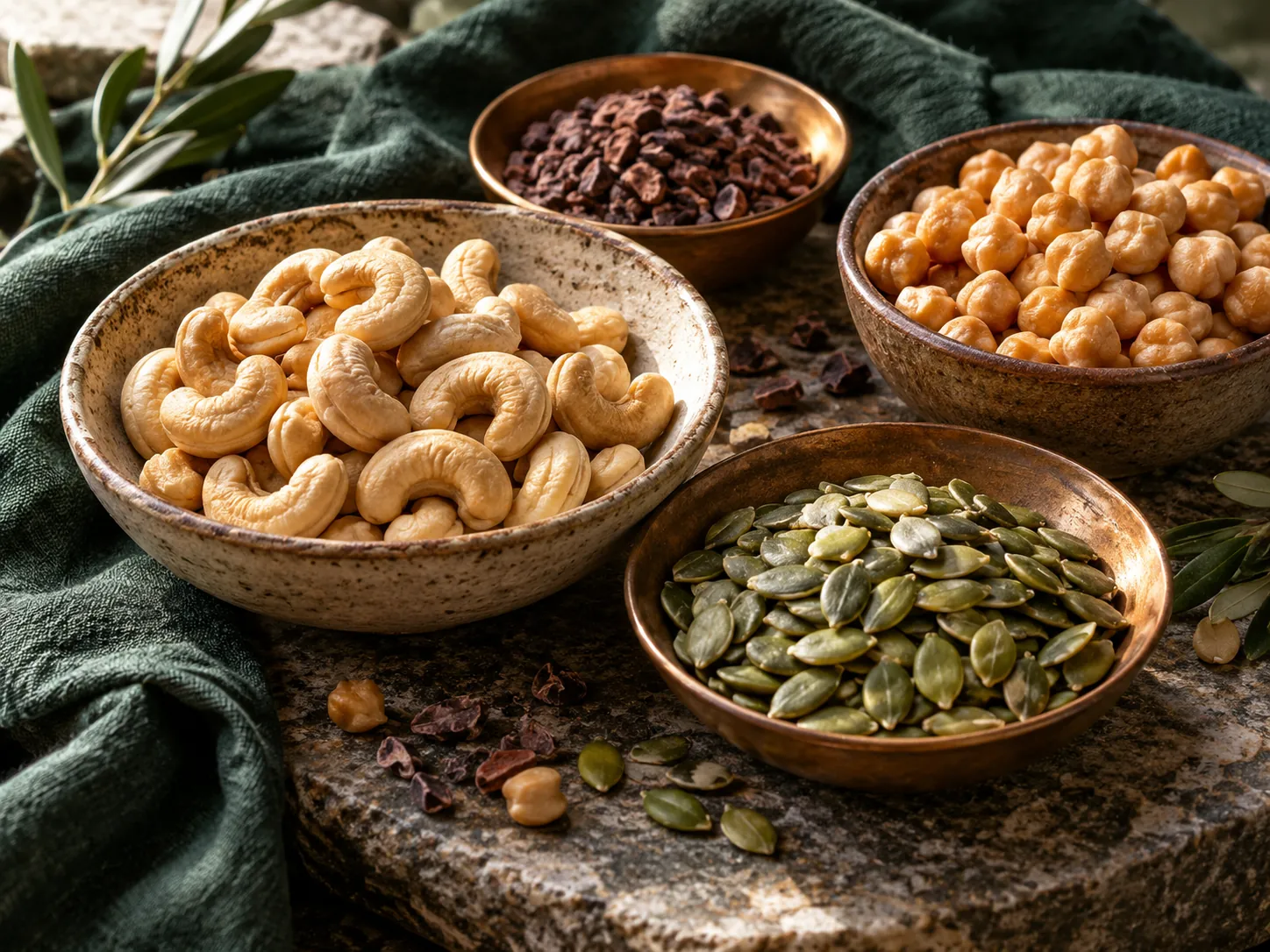
Why both minerals matter and how long-term high-dose zinc may interfere with copper absorption.
Read More →
Vitamin D has a role in immune function, but supplement evidence and individual needs are more nuanced than “immune boost” ads suggest.
Read More →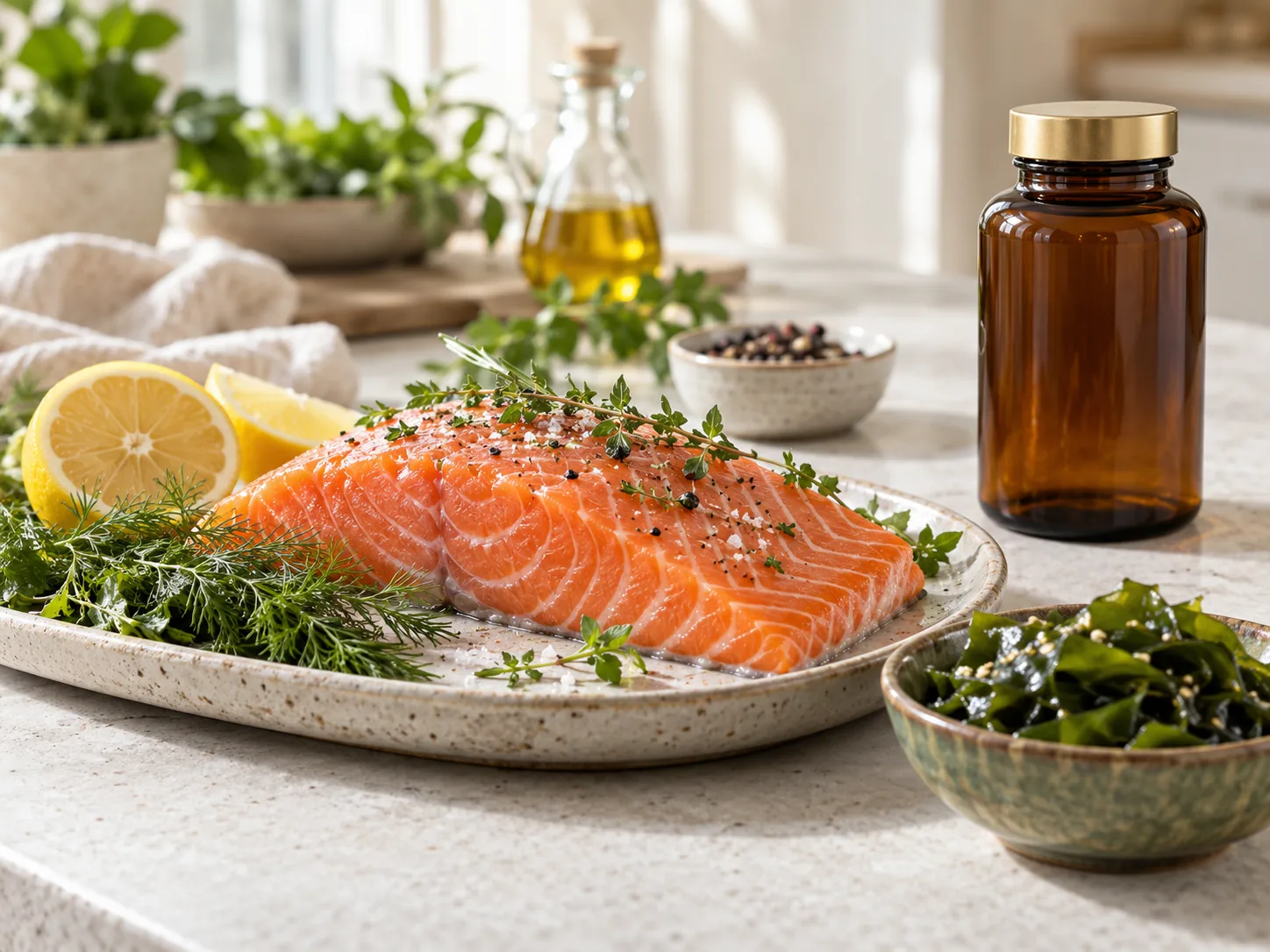
How to compare EPA and DHA amounts, serving sizes, quality testing, and personal fit on an omega-3 label.
Read More →
A practical look at serving sizes, ingredient amounts, warnings, and the questions a product page cannot answer.
Read More →
Recurring itching is not proof of yeast, and scented products or restrictive diets are not a treatment plan.
Read More →
Understand changing periods, sleep, mood and hot flashes, and know when earlier changes need a closer look.
Read More →
Track your own pattern across the cycle without treating viral productivity charts as a biological rule.
Read More →
Unpaid care, paid work and poor rest can add up, but persistent fatigue deserves more than a burnout label.
Read More →