Intermittent Fasting and Autophagy: What the Research Says About Cellular Repair
Autophagy is real cell biology, but no proven fasting schedule guarantees a cellular “reset” in people.
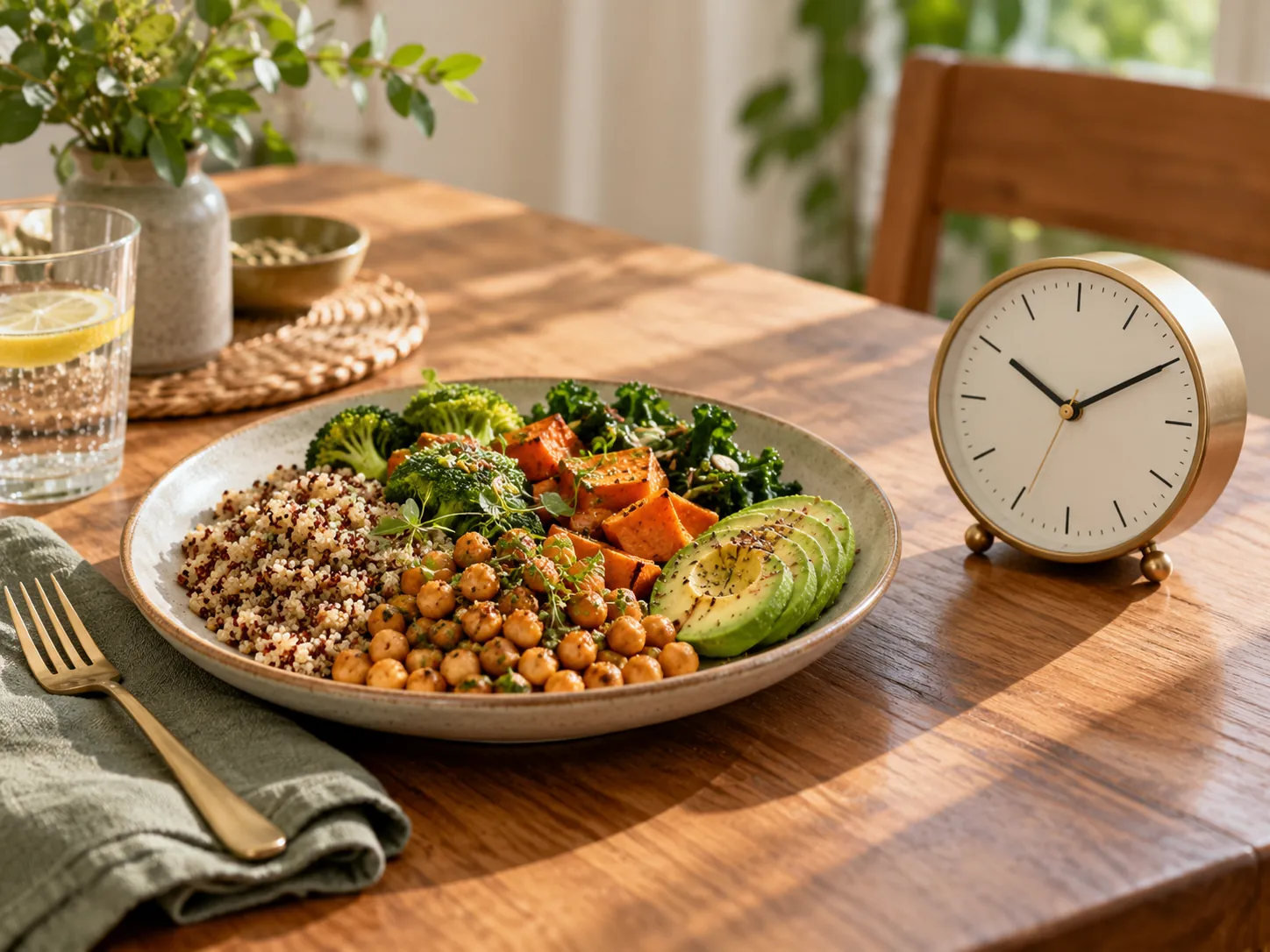
Autophagy is a normal process by which cells break down and recycle some of their components. It is often used to sell fasting as a precise “cellular repair switch.” The biology is real; the claim that a particular number of fasting hours guarantees a meaningful human health benefit is not established.
What human studies are beginning to show
Animal work provides much of the mechanistic story. Measuring autophagy reliably in people is harder. A 2025 exploratory analysis in adults with obesity reported a possible increase in one measure of autophagic flux after six months of an intermittent time-restricted eating approach. That is interesting early evidence, not proof of a universal threshold, longer life or disease prevention.
Fasting is a pattern, not a magic clock
Time-restricted eating and alternate-day approaches differ substantially. Their outcomes can also reflect changes in overall food intake, meal timing and weight. Meal quality, enough nutrients, sleep and sustainability still matter. If a pattern leaves you preoccupied with food, dizzy or unable to meet your needs, it is not a wellness win.
Who needs extra caution?
People with diabetes—especially those using glucose-lowering medicines—should plan any fasting change with their healthcare team because low blood sugar can be dangerous. Pregnancy, a history of disordered eating, certain medical conditions and growing bodies also call for individualized advice.
There is no proven “autophagy hour” to chase. If your goal is a healthier routine, begin with a pattern of eating you can sustain and discuss major changes with a professional. Explore our food variety guide for a less restrictive starting point.
VitalGlow Hub provides general health and wellness information for educational purposes only. The information on this website is not intended to diagnose, treat, cure, or prevent any disease and is not medical advice. Consult a qualified healthcare professional before starting a supplement or making significant changes to your diet or lifestyle.