Probiotics vs. Prebiotics: A Beginner’s Guide to Gut Microbiome Health
Understand the difference between live microbes and the fibers that feed them, with realistic expectations and safety notes.
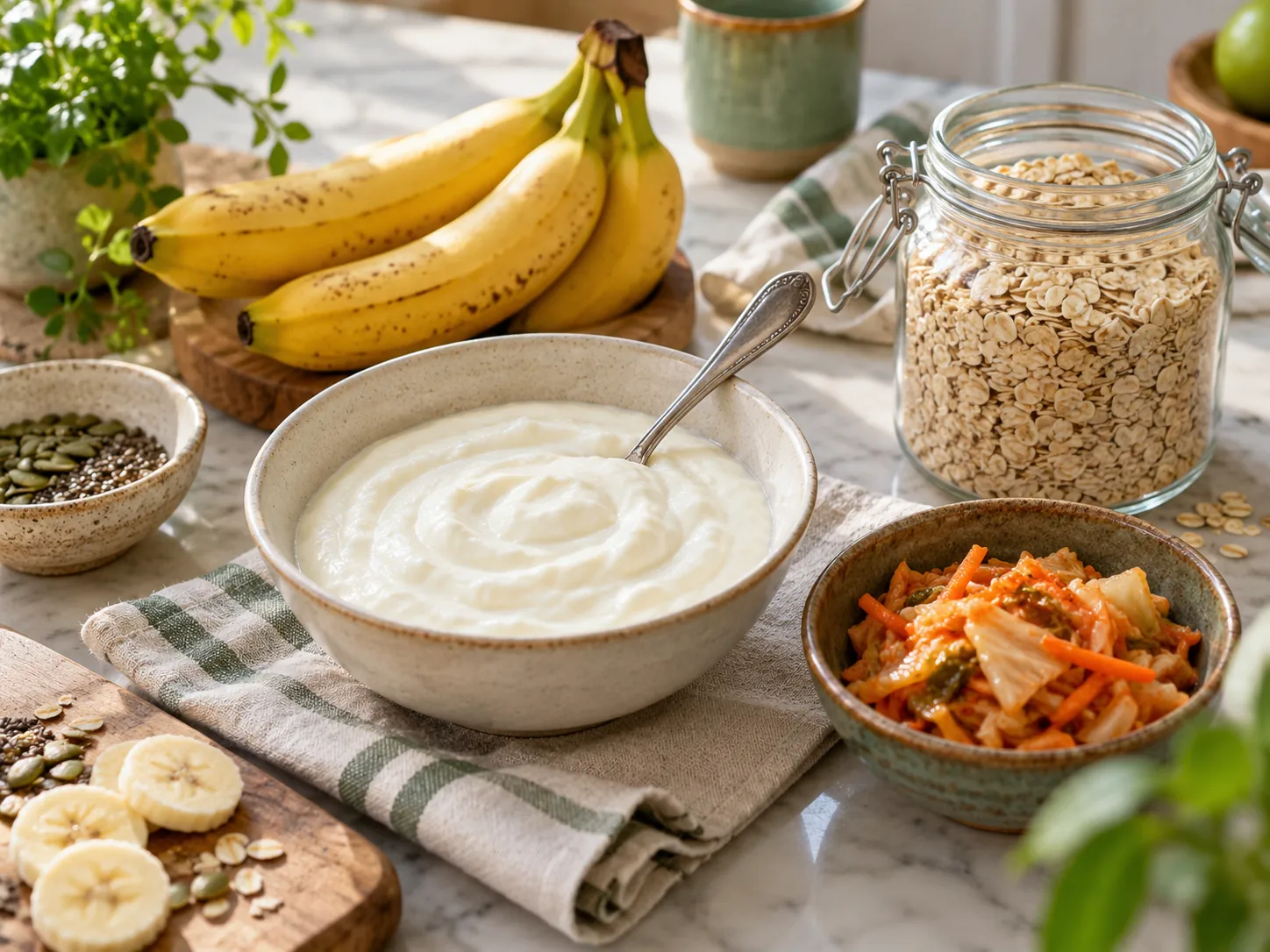
“Gut health” is everywhere, but two similar-sounding words mean different things. Probiotics are live microorganisms used in foods or supplements. Prebiotics are substances, often particular fibers, that are used by microbes already in the gut. Neither term is a promise that a product will fix bloating or transform your microbiome.
Start with food
Foods such as yogurt with live cultures and fermented foods can contain microbes; beans, whole grains, vegetables and fruit contribute a variety of fibers. Not every fermented food has proven probiotic effects, and not every fiber is classified as a prebiotic. Variety is a useful habit even without chasing a single “superfood.”
Evidence depends on the exact product and purpose
Probiotic research often concerns specific strains, amounts and health questions. A result for one strain cannot simply be applied to every blend. Some conditions have more evidence than others, and an impressive count of “billions” of organisms is not a quality score by itself. Check the full strain names, storage instructions and amount through the end of shelf life when available.
Go gently if you are sensitive
A rapid increase in certain fibers may cause gas or bloating; add foods gradually and consider what your body tolerates. Probiotics are not risk-free for everyone, particularly people with serious illness or weakened immune systems. Persistent abdominal pain, bleeding, unexplained weight loss or other concerning symptoms need medical evaluation rather than self-treatment.
For a wider look at food patterns, read our practical plate guide. If you are considering a specific supplement, compare its label and evidence for the outcome you care about.
VitalGlow Hub provides general health and wellness information for educational purposes only. The information on this website is not intended to diagnose, treat, cure, or prevent any disease and is not medical advice. Consult a qualified healthcare professional before starting a supplement or making significant changes to your diet or lifestyle.