Stress, Sleep, Libido, and Muscle Health: What’s Connected?
Explore the links without assuming that a demanding job or one short night permanently damages hormones.
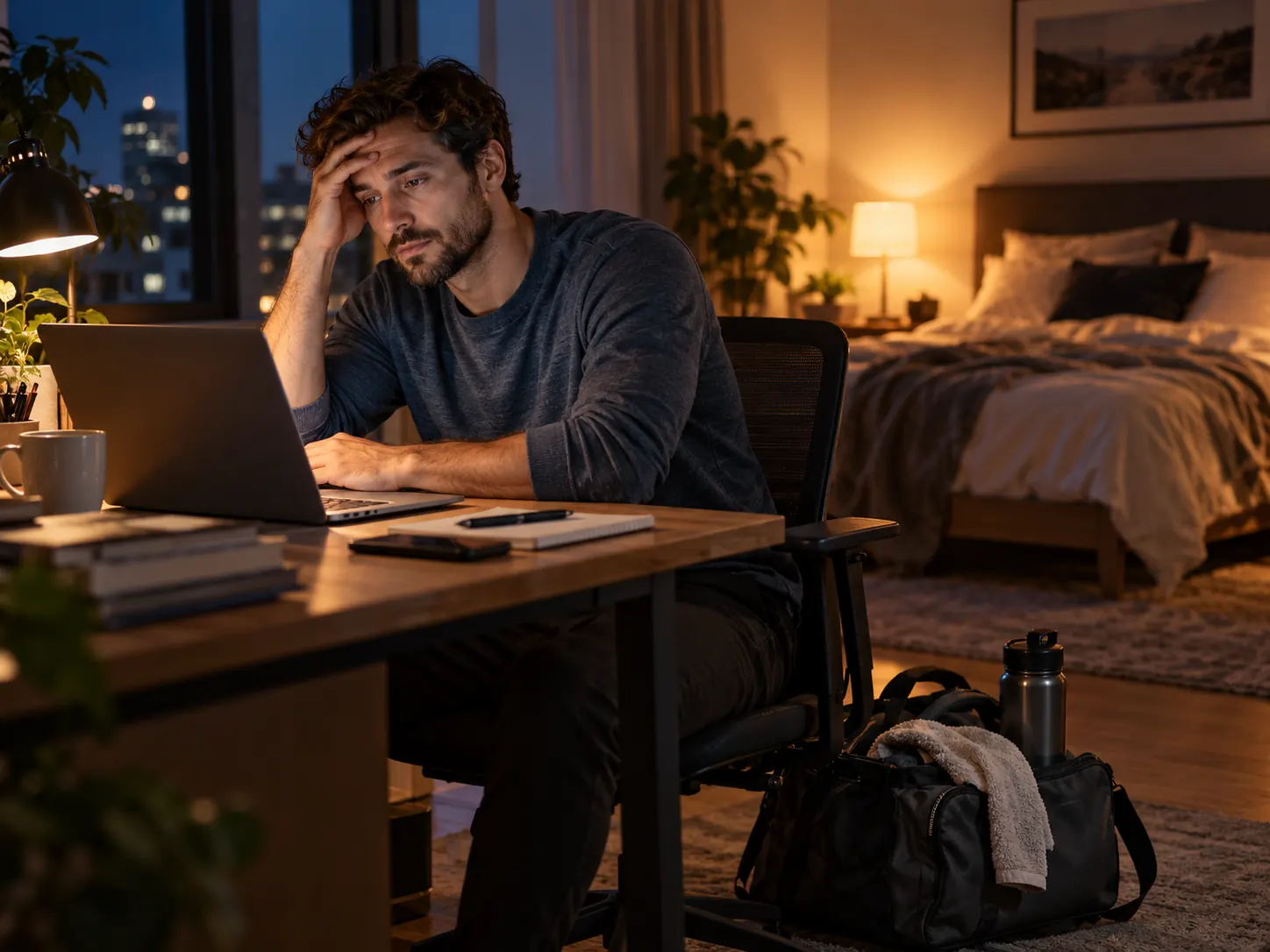
A late deadline and a poor night of sleep can leave you less interested in sex or less motivated to train. That does not mean your libido or muscle has been “destroyed.” Persistent changes deserve attention because sleep, stress, physical activity, mental health, medicines, and medical conditions can all contribute.
How are stress and sexual function linked?
Stress, anxiety, and depression are among the possible contributors to erectile difficulties, according to the NIDDK. Blood vessel conditions, diabetes, and certain medicines can matter as well. Libido and erections are related but distinct; a concern in either area is a valid reason to talk with a clinician. Avoid buying a performance supplement before checking for underlying issues.
Does sleep affect training?
Sleep supports recovery and day-to-day functioning. Adults generally need at least seven hours, though individual needs vary. If you are repeatedly cutting sleep short, it can be harder to feel rested and keep a consistent activity routine. A single bad night does not prove muscle loss. Strength, nutrition, and recovery matter across weeks and months, not just one morning.
Are hormones the whole story?
No. Low testosterone is diagnosed with compatible symptoms and consistently low levels on properly timed repeat tests. Neither a stressful week nor a social-media symptom list is enough. Our low testosterone guide explains the testing decision.
What is a sensible first step?
Keep a short record of sleep, work demands, activity, and symptoms, then prioritize a workable bedtime and regular movement. Review medications and persistent symptoms with your healthcare professional, especially if there are signs of sleep apnea, depression, or cardiovascular disease. The aim is to understand the cause and choose care that fits, without turning normal fluctuations into a crisis.
VitalGlow Hub provides general health and wellness information for educational purposes only. The information on this website is not intended to diagnose, treat, cure, or prevent any disease and is not medical advice. Consult a qualified healthcare professional before starting a supplement or making significant changes to your diet or lifestyle.