Understanding Adaptogens: What They Are and How They Work
A plain-English look at adaptogen claims, early research, product differences, and herbal supplement safety.
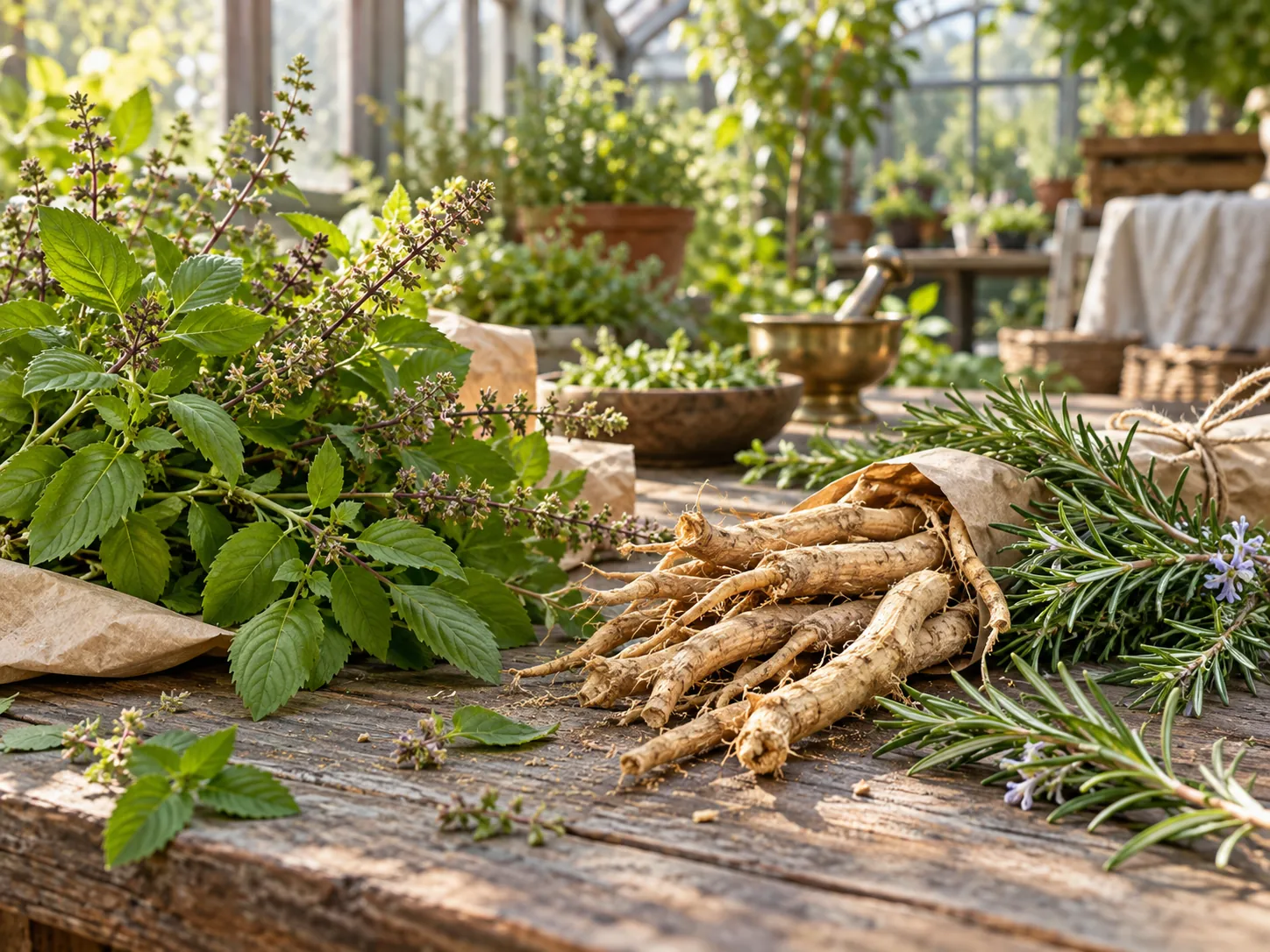
“Adaptogen” is a marketing and research term often used for plants promoted to help the body respond to stress. It is not a single nutrient, a diagnosis or a guarantee that an herbal blend will make you feel calmer. Different plants have different compounds, studied preparations and safety questions.
What is being studied?
Ashwagandha and rhodiola are two familiar examples. Some small studies have explored stress, sleep or fatigue, but results cannot be applied to every extract on a shelf. The dose, plant part, extraction method and people studied all matter. A promising finding for one preparation does not prove the effect of a different finished product.
Why “natural” still needs care
NCCIH notes that long-term safety information for ashwagandha is limited, and rare cases of liver injury have been reported. It advises against ashwagandha during pregnancy and breastfeeding. Rhodiola can cause effects such as dizziness or insomnia in some people. Herbs may also interact with medicines or be unsuitable with particular health conditions.
How to read an adaptogen offer
Look for the botanical name, plant part, extract amount and a full ingredient panel. Ask whether a study tested the exact preparation and whether independent quality documentation exists. If a blend hides amounts behind a “proprietary” label, it is harder to compare with the research.
For everyday stress, begin with the basics you can repeat: sleep opportunities, movement, social support and realistic pauses. Our stress guide explains why a “cortisol reset” is an oversimplification. Persistent symptoms deserve professional assessment. Be especially cautious of products promising immediate, universal results.
VitalGlow Hub provides general health and wellness information for educational purposes only. The information on this website is not intended to diagnose, treat, cure, or prevent any disease and is not medical advice. Consult a qualified healthcare professional before starting a supplement or making significant changes to your diet or lifestyle.